
Quotes for Seasonal Depression with explanation and practical tips
When the days grow shorter and the skies stay gray, it can feel like someone has slowly turned down the brightness of life. Tasks that once felt simple—getting out of bed, answering messages, or even preparing breakfast—may suddenly require enormous effort. If you’ve been searching for 100 quotes for seasonal depression, you’re probably looking for something more than beautiful words. You’re looking for reassurance that you’re not alone.
Seasonal depression, often associated with the colder and darker months, can affect motivation, mood, energy, and hope. While quotes are not a replacement for professional treatment, they can provide gentle reminders that difficult seasons eventually change. Sometimes a single sentence is enough to interrupt a spiral of negative thoughts and create a small moment of relief.
In this guide, you’ll discover encouraging quotes, practical ways to use them, and simple strategies to help these words become part of your daily routine. Whether you’re reading for yourself or sharing with someone you love, these messages are meant to remind you that even the longest winter never lasts forever.
Key Takeaways
- Words can provide emotional comfort, especially during difficult seasonal changes.
- Quotes won’t cure seasonal depression, but they can encourage healthier thinking and emotional resilience.
- Reading a meaningful quote each morning can become a calming daily ritual.
- Journaling about a favorite quote often makes its message feel more personal and memorable.
- Sharing uplifting words with loved ones can strengthen emotional connections during difficult months.
- Pairing inspirational quotes with healthy habits—such as sunlight exposure, movement, or mindfulness—can yield greater benefits.
- Small moments of hope repeated consistently often have a bigger impact than occasional bursts of motivation.
Understanding Seasonal Depression
Seasonal depression, also known as Seasonal Affective Disorder (SAD), isn’t simply “winter blues.” It can make everyday responsibilities feel unexpectedly exhausting. Many people describe waking up after eight or nine hours of sleep, yet still feeling drained before the day has even begun.
Imagine looking outside at 7:00 AM and finding the sky still dark. By late afternoon, the sun had already disappeared. After several weeks of this routine, motivation can quietly fade. That’s why emotional support—even something as simple as an encouraging quote—can become one small piece of a larger self-care routine.
Common experiences include
| Symptom | How It May Feel |
| Low energy | Feeling tired throughout the day |
| Lack of motivation | Putting off simple tasks |
| Changes in sleep | Sleeping much longer than usual |
| Difficulty concentrating | Losing focus easily |
| Sadness | Persistent low mood |
| Social withdrawal | Wanting to stay home more often |
It’s important to remember that everyone’s experience is different. Some people notice only mild changes, while others experience symptoms that significantly affect work, school, or relationships.
With that understanding, let’s explore why encouraging words can sometimes provide comfort during these challenging months.
Why Quotes Can Help During Difficult Seasons
A quote won’t make seasonal depression disappear.
However, the right words at the right moment can interrupt harsh self-criticism and replace it with compassion.
Think about opening your journal after a difficult day and reading:
“This season is hard, but it isn’t forever.”
That single sentence doesn’t solve every problem, yet it shifts your perspective just enough to help you take the next step.
Psychologists often encourage people to identify healthier thought patterns. Quotes can support this process by providing gentle reminders that feelings change, hope returns, and difficult seasons eventually pass.
Many people find it helpful to:
- Read one quote every morning.
- Save favorite quotes as phone wallpapers.
- Write meaningful quotes in a journal.
- Place encouraging notes near a workspace.
- Share supportive quotes with a trusted friend.
These small habits serve as emotional anchors during periods when motivation is hard to find.
Now let’s move into the heart of this collection.
100 Quotes for Seasonal Depression
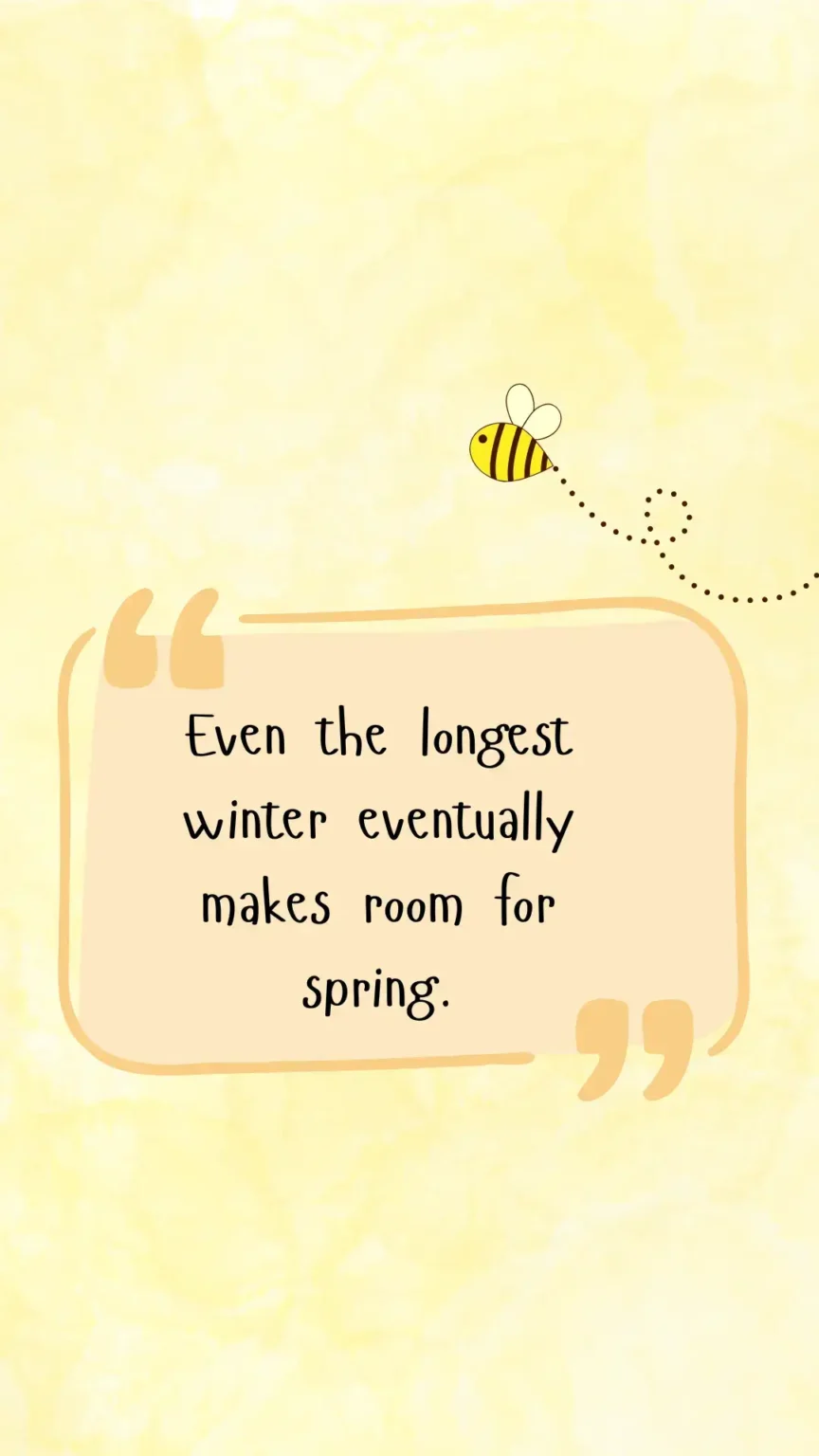
“Even the longest winter eventually makes room for spring.”
Explanation
When you’re experiencing seasonal depression, it can feel as though the heaviness will never lift. The short days, gray skies, and lack of energy may convince you that this is your new normal. This quote serves as a gentle reminder that seasons always change. Just as winter naturally gives way to spring, difficult emotional seasons can also pass. Healing often happens gradually, even when you can’t see it from one day to the next.
Practical Tip
Think about one difficult period you’ve overcome in the past. What helped you get through it? Write it down as a reminder that you’ve survived challenging seasons before, and you can do it again.
“You are surviving today, and sometimes that is more than enough.”
Explanation
Many people with seasonal depression place unrealistic expectations on themselves. They believe they must stay productive, cheerful, and motivated every day. But on difficult days, simply getting out of bed, eating a meal, or taking a shower can require tremendous effort. This quote reminds you that survival itself is an accomplishment. Some days aren’t about thriving—they’re about making it through with kindness toward yourself.
Practical Tip
Instead of making a long to-do list, choose one meaningful task you can complete today. Celebrate that achievement without comparing yourself to yesterday or anyone else.
“Dark skies cannot stop tomorrow’s sunrise.”
Explanation
Life has a remarkable way of changing when we least expect it. Seasonal depression often convinces us that the future will feel exactly like today. Yet emotions are constantly shifting. Even after the darkest night, morning arrives without fail. This quote encourages patience and hope, reminding us that temporary darkness doesn’t erase the possibility of brighter days ahead.
Practical Tip
Tomorrow morning, open your curtains as soon as you wake up. Spend a few minutes looking out the window or sitting near a window while repeating this quote to yourself.
“Hope often whispers before it ever shouts.”
Explanation
Hope rarely appears as a dramatic breakthrough. More often, it arrives quietly through tiny moments—a smile from a stranger, a sunny afternoon, finishing a simple task, or laughing unexpectedly. During seasonal depression, it’s easy to overlook these subtle signs of progress because they’re much quieter than negative thoughts. This quote encourages you to focus on small improvements rather than waiting for an instant transformation.
Practical Tip
At the end of today, write down three small positive moments. They don’t have to be extraordinary. Even enjoying a warm drink or hearing your favorite song counts.
“Small steps taken consistently can carry you through the hardest season.”
Explanation
When motivation is low, large goals often feel impossible. Trying to change everything overnight usually leads to frustration. Lasting progress comes from small, consistent actions repeated day after day. A five-minute walk, drinking enough water, opening the curtains, or calling a friend may seem insignificant individually, but together they build resilience over time.
Practical Tip
Choose one healthy habit that takes less than five minutes. Repeat it every day this week. Consistency matters far more than perfection.
“Your story isn’t ending in winter.”
Explanation
Seasonal depression can make life feel paused, as though nothing good lies ahead. This quote reminds you that winter is only one chapter of your story—not the conclusion. Every meaningful journey includes difficult seasons, but they don’t define the entire narrative. There are still experiences, relationships, achievements, and joyful moments waiting to unfold beyond this chapter.
Practical Tip
Imagine writing the next chapter of your life. What is one thing you’d love to experience by spring or summer? Write it down and let it become a source of hope.
“Clouds may hide the sun, but they never erase it.”
Explanation
When the sky stays gray for days or weeks, it may seem like the sun has disappeared completely. In reality, it’s still shining above the clouds. Our emotions often work the same way. Feelings of sadness can temporarily cover our sense of joy, confidence, and purpose, but they don’t eliminate them. This quote reminds us that brighter emotions still exist, even if they’re difficult to feel right now.
Practical Tip
Whenever you notice negative thoughts taking over, pause and ask yourself, “What would I say to a close friend feeling this way?” Offer yourself the same compassion.
“Healing often arrives quietly, one ordinary day at a time.”
Explanation
Many people expect recovery to happen through a single life-changing moment. In reality, healing usually develops through countless ordinary days. It might mean sleeping a little better, smiling a little more often, or feeling slightly more motivated than last week. These subtle improvements may seem small, but together they create lasting change.
Practical Tip
Keep a simple mood journal for one week. Rate each day from 1 to 10 and write one sentence about how you felt. You may notice progress that would otherwise go unnoticed.
“You have overcome difficult seasons before, and that strength still lives within you.”
Explanation
When we’re struggling, it’s easy to forget our own resilience. Yet everyone carries evidence of challenges they’ve already survived. Whether you’ve overcome loss, disappointment, illness, or previous periods of sadness, those experiences reveal an inner strength that’s still present today. This quote encourages you to trust the resilience you’ve already demonstrated throughout your life.
Practical Tip
Write down three difficult experiences you’ve successfully overcome. Next to each one, list the strengths that helped you through them. Those same strengths are still part of who you are.
“A difficult chapter does not define the entire book.”
Explanation
No one would judge a book after reading only one chapter. Likewise, your life cannot be defined by one difficult season. Seasonal depression may influence how you feel today, but it doesn’t determine your future, your identity, or your potential. Your story continues to unfold, with many opportunities for growth, healing, and happiness still ahead.
Practical Tip
Picture your life as a book with many chapters still unwritten. Ask yourself, “What kind of chapter do I hope to write next?” Focus on one small action today that moves you toward that future.
“Strength isn’t pretending you’re okay; it’s choosing to keep going.”
Explanation
Many people believe strength means hiding emotions or acting as though nothing is wrong. In reality, true strength is often much quieter. It’s admitting that today feels difficult while still taking one small step forward. Seasonal depression can make even routine tasks feel overwhelming, but every effort—no matter how small—is evidence of resilience. You don’t have to appear fearless to be strong. Simply choosing not to give up is an incredible act of courage.
Practical Tip
The next time you’re struggling, replace the thought “I have to be strong” with “I only need to take the next step.” Focus on one task at a time, not the entire day.
“Your courage is measured by the days you keep showing up.”
Explanation
Some days, getting out of bed, attending work or school, or caring for yourself feels like climbing a mountain. During seasonal depression, these ordinary actions require extraordinary effort. This quote reminds you that courage isn’t reserved for dramatic moments. It’s found in the quiet decision to keep showing up, even when motivation is absent. Every day you continue moving forward is proof of your determination.
Practical Tip
Before going to bed tonight, write down one thing you accomplished today. It doesn’t have to be impressive. Recognizing your daily efforts builds confidence over time.
“Some victories happen silently inside your heart.”
Explanation
Not every success is visible to others. Sometimes the greatest victories happen internally: choosing hope instead of despair, reaching out for support, or getting through a difficult afternoon without giving up. These quiet moments rarely receive recognition, yet they often represent significant emotional progress. Healing isn’t always something people can see, but that doesn’t make it any less meaningful.
Practical Tip
Think about one internal victory you’ve experienced recently. Perhaps you challenged a negative thought or practiced self-kindness. Celebrate it, even if no one else knows it happened.
“Rest is not weakness—it is preparation.”
Explanation
Many people feel guilty when they need to slow down, especially during periods of low energy. Seasonal depression can leave you physically and emotionally exhausted, making rest essential rather than optional. Just as athletes recover between workouts to become stronger, your mind and body also need time to recharge. Rest allows you to return with greater clarity, patience, and resilience.
Practical Tip
Schedule a short period of intentional rest today without distractions or guilt. Read, listen to calming music, stretch, or simply sit quietly for a few minutes. Give yourself permission to recover.
“You don’t have to bloom every day to be growing.”
Explanation
Nature reminds us that growth often happens beneath the surface. Trees spend months appearing still during winter, yet important changes continue within their roots. People experience growth in much the same way. Even when you don’t feel productive or joyful, you may still be learning patience, resilience, and self-compassion. Progress isn’t always visible, but that doesn’t mean it isn’t happening.
Practical Tip
Instead of asking yourself, “What did I accomplish today?” ask, “What did I learn about myself today?” Personal growth often begins with self-awareness.
“Every sunrise proves that darkness has limits.”
Explanation
Darkness can feel endless when you’re in the middle of it, but every morning offers proof that light always returns. This quote isn’t suggesting that healing happens overnight. Rather, it reminds us that difficult emotions are temporary, even when they feel permanent. Each sunrise is a quiet symbol of hope, resilience, and the possibility of a fresh beginning.
Practical Tip
Tomorrow morning, spend five minutes near a window or outside. As daylight appears, remind yourself that difficult moments also have limits.
“Your resilience is greater than today’s sadness.”
Explanation
Seasonal depression often magnifies negative emotions, making sadness feel larger than everything else in your life. This quote encourages you to remember that sadness is only one part of your story. Beneath today’s emotions lies the resilience you’ve built through previous challenges, setbacks, and life experiences. That inner strength hasn’t disappeared—it may simply feel harder to access right now.
Practical Tip
Create a “strength list.” Write down five qualities that have helped you through difficult times before, such as patience, kindness, determination, or creativity. Read the list whenever you need encouragement.
“Healing doesn’t always move quickly, but it always counts.”
Explanation
It’s easy to become discouraged when progress feels slow. You may expect to feel significantly better after a few good days, only to experience another difficult week. Healing rarely follows a straight line. Some days feel easier, while others feel heavier again. This doesn’t mean you’ve failed—it simply means you’re human. Every positive step still contributes to your overall well-being.
Practical Tip
At the end of each week, write down one way you’ve cared for yourself. Looking back over time can help you recognize progress that might otherwise go unnoticed.
“Progress often looks like simply getting out of bed.”
Explanation
Society often celebrates major achievements, but during seasonal depression, even basic daily activities deserve recognition. Getting out of bed, brushing your teeth, preparing breakfast, or answering an email can require tremendous mental effort. This quote reminds you that progress should be measured by your circumstances, not by someone else’s expectations.
Practical Tip
If you’re having a difficult morning, choose one simple task to complete first. Once it’s finished, acknowledge your success before moving on to the next step.
“One gentle choice today is enough.”
Explanation
When life feels overwhelming, it’s tempting to believe you must solve every problem immediately. In reality, healing often begins with a single compassionate decision. Drinking a glass of water, taking a short walk, calling a friend, or choosing positive self-talk may seem small, but these gentle choices gradually build healthier habits. You don’t have to transform your entire life today—one caring decision is enough.
Practical Tip
Ask yourself, “What’s one kind thing I can do for myself right now?” Then do it without overthinking. Small acts of self-care, repeated consistently, can create meaningful change over time.
“Speak to yourself with the kindness you’d offer someone you love.”
Explanation
When seasonal depression sets in, your inner voice can become your harshest critic. You may blame yourself for feeling tired, unmotivated, or emotional. Yet if a close friend came to you feeling the same way, you would probably respond with patience, encouragement, and understanding—not judgment. This quote reminds you that you deserve that same compassion. The way you speak to yourself has a powerful influence on your healing.
Practical Tip
The next time you notice negative self-talk, pause and ask yourself, “Would I say this to someone I deeply care about?” If the answer is no, replace it with a kinder, more supportive thought.
“You deserve patience while you’re healing.”
Explanation
Healing rarely follows a schedule. Some days you’ll feel hopeful and energized, while other days may feel like you’ve taken a step backward. That’s completely normal. Recovery isn’t about reaching perfection as quickly as possible—it’s about giving yourself permission to heal at your own pace. Just as a broken bone needs time to mend, emotional healing also requires patience, rest, and consistent care.
Practical Tip
Whenever you feel frustrated with your progress, remind yourself: “I’m healing, not racing.” Let this simple phrase guide you whenever impatience begins to take over.
“Your value doesn’t decrease on difficult days.”
Explanation
It’s easy to tie your self-worth to productivity or happiness. During seasonal depression, when energy is low and motivation fades, you may feel like you’re accomplishing less and therefore matter less. But your value has never depended on how much you achieve in a day. You remain worthy of love, respect, and compassion, even when you’re struggling. Your difficult days don’t make you less important—they simply make you human.
Practical Tip
Write down five qualities you appreciate about yourself that have nothing to do with work, achievements, or productivity. Read the list whenever self-doubt begins to grow.
“You are more than your hardest season.”
Explanation
When you’re living through a difficult period, it can start to feel like your struggle defines who you are. Seasonal depression may influence your thoughts and emotions, but it is not your identity. You are still the same person with dreams, talents, relationships, and strengths. This season is only one part of your life—not the whole story.
Practical Tip
Finish this sentence in your journal: “I am more than my depression because I am…” Continue writing until you’ve listed at least ten positive qualities or meaningful roles in your life.
“Allow yourself to rest without guilt.”
Explanation
Many people confuse rest with laziness, especially when there’s always more to do. But emotional exhaustion deserves the same respect as physical exhaustion. Seasonal depression can drain your energy in ways that others may not see. Giving yourself time to recover isn’t giving up—it’s creating the conditions your mind and body need to heal. Rest is an investment in your well-being, not a sign of weakness.
Practical Tip
Schedule thirty minutes today for intentional rest. During that time, avoid checking emails or social media. Instead, read a book, listen to calming music, or simply enjoy the quiet.
“Being gentle with yourself is a form of strength.”
Explanation
Many people believe they need to push harder whenever life becomes difficult. While perseverance is valuable, constant self-pressure can lead to burnout. Sometimes the strongest decision you can make is to respond to yourself with kindness instead of criticism. Gentleness doesn’t mean lowering your standards—it means recognizing your humanity and treating yourself with the same compassion you’d show someone else.
Practical Tip
Notice one way you’ve been overly critical of yourself recently. Rewrite that thought using supportive, encouraging language instead. Small changes in self-talk can make a meaningful difference over time.
“Not every day needs to be productive to be meaningful.”
Explanation
Modern life often measures success by how much we accomplish. But meaningful days aren’t always filled with completed tasks or busy schedules. Sometimes a meaningful day is one where you rested, spent time with a loved one, laughed unexpectedly, or simply made it through a difficult afternoon. Seasonal depression can make productivity harder, but your life still holds value beyond your accomplishments.
Practical Tip
At the end of today, instead of asking, “What did I get done?” ask, “What made today meaningful?” Your answer may surprise you.
“You are allowed to have difficult days without calling yourself a failure.”
Explanation
Everyone experiences setbacks, especially during emotionally challenging seasons. Having a difficult day doesn’t erase the progress you’ve already made. Healing isn’t measured by never struggling again—it’s measured by continuing despite those struggles. This quote reminds you that bad days are part of the journey, not evidence that you’re failing. Treat each difficult day as a temporary experience rather than a permanent identity.
Practical Tip
When today feels difficult, avoid using words like ‘always’ or ‘never’. Instead, remind yourself, “I’m having a hard day, but this day doesn’t define my future.”
“Healing isn’t a race.”
Explanation
It’s natural to compare your progress with others, especially when social media highlights everyone’s happiest moments. But emotional healing doesn’t follow a universal timeline. Some people recover quickly, while others need more time and support. Comparing your journey to someone else’s only adds unnecessary pressure. The goal isn’t to heal faster than anyone else—it’s to heal in a healthy and sustainable way.
Practical Tip
Take a break from comparison today. Focus on one improvement you’ve noticed in yourself during the past month, no matter how small it may seem.
30. “Treat yourself like someone worth caring for—because you are.”
Explanation
Self-care is often misunderstood as something luxurious or optional. In reality, caring for yourself is a basic act of respect. Eating nourishing meals, staying hydrated, getting enough sleep, asking for help, and speaking kindly to yourself are all ways of acknowledging your worth. Seasonal depression can make these habits feel difficult, but each one sends an important message: I matter, and my well-being is important.
Practical Tip
Do one caring thing for yourself today that you’ve been postponing. It could be preparing a healthy meal, taking a relaxing shower, calling someone you trust, or simply going to bed a little earlier. Small acts of self-care remind you that you deserve kindness every single day.
31. “Light always finds the smallest opening.”
Explanation
When you’re living with seasonal depression, hope can seem distant, as if darkness has filled every corner of your life. Yet even the tiniest ray of light can brighten an entire room. In the same way, one encouraging conversation, one peaceful morning, or one small success can begin to shift your perspective. This quote reminds you that healing doesn’t require a dramatic breakthrough. Sometimes it starts with a single moment that reminds you brighter days are still possible.
Practical Tip
Look for one “small opening” today—a smile from a stranger, a favorite song, or a few minutes of sunshine. Write it down as evidence that hope still exists, even in difficult seasons.
32. “Even a candle changes a dark room.”
Explanation
It’s easy to underestimate the impact of small positive actions when you’re struggling. You may think that reading one page of a book, taking a short walk, or drinking a glass of water won’t make a difference. While these actions won’t solve everything, they can gradually shift your mood and build momentum. Just as one candle doesn’t eliminate all darkness but still changes the room, small acts of self-care can gently improve your emotional well-being.
Practical Tip
Choose one tiny action today that makes your environment feel warmer or calmer. Light a candle, tidy your desk, open a window, or play relaxing music. Small changes can create a comforting atmosphere.
33. “Your inner light isn’t gone; it may simply need time to shine again.”
Explanation
Seasonal depression can make you feel disconnected from the person you once were. You might wonder if your confidence, joy, or creativity has disappeared forever. This quote offers reassurance that those qualities haven’t been lost—they’re simply harder to access while you’re struggling. Like the sun hidden behind thick clouds, your inner light is still there, waiting for the right conditions to shine again.
Practical Tip
Think about an activity that once brought you joy, even if it’s been a while. Spend just ten minutes reconnecting with it today, without expecting perfection or immediate happiness.
34. “Morning always arrives, even after the darkest night.”
Explanation
There are moments when emotional pain convinces us that things will never improve. Yet every night, no matter how long it feels, eventually gives way to morning. This quote serves as a reminder that change is one of life’s constants. Difficult feelings can be intense, but they are not permanent. Holding onto that truth can provide comfort during the hardest moments.
Practical Tip
When you wake up tomorrow, take a deep breath before checking your phone. Notice the daylight outside and remind yourself that every new day offers another opportunity to begin again.
35. “The sun is still there, even behind thick clouds.”
Explanation
Cloudy winter days can mirror the emotional heaviness of seasonal depression. It’s tempting to believe that because you can’t see the sun, it has disappeared. The same can happen with hope, happiness, or confidence. This quote reminds you that positive emotions don’t vanish during difficult times—they’re simply hidden for a while. Trust that they can return, even if you can’t feel them today.
Practical Tip
Whenever you’re overwhelmed by negative thoughts, pause and ask yourself, “Could my emotions be acting like clouds, hiding something that’s still there?” This simple question can help create a healthier perspective.
36. “Hope often begins as a tiny spark.”
Explanation
Many people wait for a powerful wave of motivation before making changes, but hope usually starts much smaller. It might appear as the decision to get dressed, reply to a message, or believe that tomorrow could be a little better than today. These tiny sparks may seem insignificant, yet they often become the beginning of meaningful healing. Every positive step starts with a single thought: Maybe things can improve.
Practical Tip
Write down one thing you’re looking forward to, even if it’s something simple like enjoying your favorite meal or watching a comforting movie. Small moments of anticipation can nurture hope.
37. “Keep looking toward the light, even if your steps are slow.”
Explanation
Progress doesn’t have to be fast to be meaningful. During seasonal depression, there may be days when all you can manage is one small step forward. That’s okay. The important thing is maintaining your direction rather than your speed. This quote reminds you that slow progress is still progress, and every gentle step brings you closer to brighter days.
Practical Tip
Instead of focusing on how far you still have to go, celebrate the progress you’ve already made. Keep a list of small victories and add to it regularly to remind yourself that you’re moving forward.
38. “Dark moments never erase your future.”
Explanation
When emotions are overwhelming, it’s easy to believe they’ll last forever. Seasonal depression can make tomorrow seem uncertain or hopeless. This quote reminds you that today’s struggle doesn’t determine tomorrow’s possibilities. Your future remains full of opportunities, relationships, achievements, and experiences that haven’t happened yet. One difficult season cannot cancel everything that still lies ahead.
Practical Tip
Write a letter to your future self six months from now. Describe the life you hope to be living and the encouragement you want to remember during difficult moments.
39. “The stars are easiest to see at night.”
Explanation
Some of life’s most meaningful lessons emerge during our hardest seasons. While no one wishes for pain, difficult experiences often reveal strengths, relationships, and perspectives that might otherwise remain hidden. This quote doesn’t glorify suffering—it simply reminds us that hope, courage, and resilience often become most visible when life feels darkest.
Practical Tip
Reflect on one positive quality you’ve discovered about yourself through past challenges. Let that reminder strengthen your confidence as you continue your healing journey.
40. “Every new day brings another chance to begin again.”
Explanation
One difficult day doesn’t have to define the next. Every morning offers a fresh opportunity to make different choices, practice self-compassion, and take one step toward healing. Seasonal depression may still be present, but each new day gives you another chance to care for yourself in meaningful ways. Progress isn’t about having perfect days—it’s about continuing to begin again whenever you need to.
Practical Tip
Create a simple morning ritual that signals a fresh start. It could be making your bed, stretching for five minutes, reading an uplifting quote, or enjoying your morning coffee without distractions. Small routines can help you approach each day with renewed hope.
41. “You don’t need giant leaps—small steps are powerful too.”
Explanation
When you’re struggling with seasonal depression, it’s easy to believe that recovery requires dramatic changes. You may feel pressure to completely transform your routine overnight or suddenly become motivated again. In reality, meaningful progress is usually built through small, consistent actions. Reading a few pages of a book, stepping outside for fresh air, or preparing a healthy meal may seem insignificant, but these choices create momentum. Small steps may not feel impressive in the moment, yet they often lead to lasting change.
Practical Tip
Choose one simple habit you can repeat every day this week. Focus on consistency rather than perfection, and remember that even five minutes of positive action is a meaningful investment in your well-being.
42. “Keep going, even when progress feels invisible.”
Explanation
One of the most frustrating parts of healing is that progress isn’t always obvious. Some days may feel exactly like yesterday, making it tempting to believe that nothing is improving. However, growth often happens quietly beneath the surface. Just as a seed develops roots long before it breaks through the soil, emotional healing often occurs before you can clearly see the results. Trust that your efforts matter, even if today’s progress feels invisible.
Practical Tip
Keep a journal where you record one positive action each day. After a few weeks, read back through your entries. You’ll likely notice progress that wasn’t obvious while you were living through it.
43. “One good moment can become two.”
Explanation
Seasonal depression often encourages us to focus only on what’s difficult. While it’s important to acknowledge your struggles, it’s equally important to notice moments of comfort or joy when they appear. A warm cup of tea, a meaningful conversation, or hearing your favorite song can become the beginning of a better day. One positive moment won’t erase every challenge, but it can gently shift your perspective and make room for another.
Practical Tip
Whenever something pleasant happens today, pause for a few extra seconds to fully appreciate it. This simple practice helps train your mind to recognize positive experiences more easily.
44. “Today’s effort plants tomorrow’s peace.”
Explanation
The healthy choices you make today may not produce immediate results, but they are investments in your future well-being. Going to bed on time, spending time outdoors, eating nourishing food, or asking for help are all seeds you plant today that may grow into greater emotional stability tomorrow. Healing is rarely instant, but every caring decision contributes to the person you’re becoming.
Practical Tip
Ask yourself, “What is one thing I can do today that my future self will thank me for?” Then make that one decision your priority.
45. “Your future self is grateful you didn’t give up today.”
Explanation
There may be days when continuing feels incredibly difficult. During those moments, it’s easy to lose sight of the future and focus only on present discomfort. This quote encourages you to think beyond today. Every act of perseverance, no matter how small, becomes a gift to the person you’ll be weeks, months, or years from now. Your future self benefits from every healthy choice you make today.
Practical Tip
Write a short note from your future self thanking you for one positive decision you’re making today. Read it whenever you need encouragement to keep going.
46. “Healing grows through consistency, not perfection.”
Explanation
Many people abandon healthy habits after missing a day or experiencing a setback. They believe they’ve failed and must start over. In reality, healing isn’t about being perfect every day—it’s about returning to healthy choices again and again. Missing one walk, one journal entry, or one good night’s sleep doesn’t erase your progress. Consistency over time always matters more than perfection in a single moment.
Practical Tip
If you’ve fallen out of a healthy routine, don’t wait until Monday or the first of next month. Restart today with one small habit. Every new beginning counts.
47. “Every breath is another opportunity to begin again.”
Explanation
Sometimes we think we need a major event—a new year, a birthday, or a life change—to start fresh. This quote reminds us that every moment offers a new beginning. You don’t have to wait for the perfect time to practice kindness toward yourself or make a healthier choice. Every breath represents another chance to let go of self-judgment and move forward with hope.
Practical Tip
Take three slow, deep breaths whenever you begin feeling overwhelmed. As you inhale, imagine bringing in calm. As you exhale, imagine releasing tension and self-criticism.
48. “You are closer to brighter days than you realize.”
Explanation
When you’re living through a difficult season, it’s hard to recognize how far you’ve already come. Progress often happens so gradually that it feels invisible. You may be much closer to healing than you think, even if you still have difficult days. This quote encourages patience and trust, reminding you that every positive action brings you one step closer to brighter moments.
Practical Tip
Reflect on where you were three months ago. Identify at least one area—no matter how small—where you’ve grown, learned, or become stronger.
49. “The season will change, and so will this feeling.”
Explanation
One of depression’s greatest challenges is convincing you that painful emotions are permanent. But feelings, like seasons, naturally change over time. Winter eventually gives way to spring, and emotional experiences also shift, even if the process feels slow. Holding onto the understanding that today’s emotions won’t last forever can provide comfort during difficult moments.
Practical Tip or Reflection
Whenever you feel overwhelmed, remind yourself, “This is how I feel right now—not how I will feel forever.” Repeat this gently until the thought begins to sink in.
50. “Hold on. Better days have a remarkable way of arriving when we least expect them.”
Explanation
Hope often appears quietly and unexpectedly. A phone call from a friend, a beautiful sunrise, a moment of laughter, or simply waking up feeling a little lighter can remind us that life is constantly changing. While no one can promise exactly when better days will arrive, staying open to their possibility keeps hope alive. This quote encourages you to keep holding on, even when you can’t yet see what’s ahead.
Practical Tip or Reflection
Create a personal “hope list” of experiences you’re looking forward to, whether they’re next week or next season. Reading this list during difficult moments can remind you that your future still holds meaningful possibilities.
51. “Peace doesn’t always arrive all at once; sometimes it comes one quiet breath at a time.”
Explanation
When you’re experiencing seasonal depression, it’s natural to wish for immediate relief. But emotional peace rarely appears in a single dramatic moment. More often, it grows through small acts of self-care, mindful breathing, and quiet moments of acceptance. Each deep breath reminds your body that you’re safe in the present moment. Over time, these small moments of calm can become the foundation for lasting emotional healing.
Practical Tip or Reflection
Pause three times today to take five slow, deep breaths. Focus only on your breathing and notice how your body begins to relax, even if only slightly.
52. “You don’t have to fix everything today.”
Explanation
When life feels overwhelming, it’s easy to believe you need to solve every problem immediately. This pressure often leads to frustration and exhaustion. Seasonal depression can make even simple decisions feel difficult, so expecting yourself to fix everything at once is unrealistic. Healing happens step by step. Giving yourself permission to focus on today’s needs instead of tomorrow’s worries can reduce unnecessary stress.
Practical Tip or Reflection
Write down everything that’s on your mind. Then circle only one thing you can realistically address today. Let the rest wait until another time.
53. “A calm mind begins with one gentle thought.”
Explanation
Your thoughts influence how you experience each day. During seasonal depression, negative thinking patterns can become automatic, making everything feel heavier. While you may not be able to control every thought, you can gently introduce kinder ones. One compassionate thought won’t erase your struggles, but it can interrupt the cycle of self-criticism and create space for hope to grow.
Practical Tip or Reflection
Choose one encouraging phrase, such as “I’m doing the best I can today,” and repeat it whenever your inner critic becomes especially loud.
54. “It’s okay to pause. Rest is part of moving forward.”
Explanation
Many people believe they must always be productive to make progress. In reality, constant activity without rest often leads to burnout. Seasonal depression already demands extra emotional energy, making intentional pauses even more important. Rest allows your mind to recover, your body to recharge, and your emotions to settle. Sometimes the healthiest step forward is giving yourself permission to stop for a while.
Practical Tip or Reflection
Schedule a ten-minute break today without any expectations. Put away your phone, close your eyes, or simply enjoy a quiet moment without feeling guilty.
55. “Even on difficult days, you deserve moments of peace.”
Explanation
A challenging day doesn’t mean every moment has to feel difficult. Even when you’re struggling, small moments of comfort—a warm blanket, a favorite song, or a peaceful walk—can remind you that joy and sadness can exist together. You don’t have to earn peace by having a perfect day. You deserve moments of comfort simply because you’re human.
Practical Tip or Reflection
Create a list of five activities that help you feel calm. The next time you’re overwhelmed, choose one without overthinking whether you’ve “earned” it.
56. “You are allowed to slow down without feeling guilty.”
Explanation
Modern life often celebrates being constantly busy, but healing doesn’t happen at full speed. Seasonal depression may require you to move more slowly than usual, and that’s perfectly okay. Slowing down isn’t giving up on your goals—it’s recognizing what your mind and body need in this season. By respecting your limits, you’re creating the conditions necessary for recovery.
Practical Tip or Reflection
Today, intentionally remove one nonessential task from your schedule. Use that extra time to do something restorative instead of filling it with more work.
57. “The quietest moments often become the most healing.”
Explanation
Healing doesn’t always happen through big breakthroughs or dramatic conversations. Sometimes it occurs during peaceful moments when you’re sitting by a window, reading a book, or listening to the rain. These quiet experiences allow your nervous system to relax and your thoughts to settle. Giving yourself space for stillness can be just as important as staying busy.
Practical Tip or Reflection
Spend ten minutes today without screens or distractions. Simply observe your surroundings, listen to nature, or enjoy a cup of tea in silence.
58. “Not every storm asks you to fight; some simply ask you to wait.”
Explanation
When life becomes difficult, our first instinct is often to solve every problem immediately. But some challenges, including seasonal changes, require patience more than action. There are times when the healthiest response is to continue caring for yourself while allowing time to do its work. Waiting doesn’t mean you’re weak—it means you’re recognizing that not everything can be controlled.
Practical Tip or Reflection
Think of one situation causing you stress that isn’t fully within your control. Instead of trying to force a solution today, focus on what you can influence and let the rest go.
59. “Give yourself permission to simply exist today.”
Explanation
Not every day needs to be filled with achievements or constant productivity. There are times when simply getting through the day is enough. Seasonal depression can drain your emotional and physical energy, making ordinary tasks feel extraordinary. This quote reminds you that your worth isn’t measured by your output. Existing, breathing, and caring for yourself are valuable in themselves.
Practical Tip or Reflection
If you’re feeling overwhelmed, lower your expectations for today. Focus on meeting your basic needs—eat nourishing food, drink water, rest, and remind yourself that this is enough.
60. “Sometimes healing sounds like silence instead of applause.”
Explanation
We often imagine progress as something visible and celebrated. Yet many of the most meaningful moments of healing happen quietly, unnoticed by others. Choosing not to criticize yourself, getting through a difficult afternoon, or simply finding a few minutes of peace may never receive applause, but these moments matter deeply. Healing is often a private journey, and quiet progress is still real progress.
Practical Tip or Reflection
At the end of today, write down one quiet victory that no one else may have noticed. Celebrate it anyway. Your progress deserves recognition, even when it’s invisible to others.
61. “Every sunrise is proof that life knows how to begin again.”
Explanation
No matter how difficult yesterday felt, each sunrise offers a fresh beginning. Seasonal depression can make it seem as though every day will be the same as the last, but life is constantly changing. A new morning doesn’t erase yesterday’s struggles, yet it brings new opportunities to make different choices, experience unexpected moments of joy, and move one step closer to healing. Every sunrise quietly reminds us that renewal is part of nature—and part of life.
Practical Tip or Reflection
Start tomorrow by opening your curtains as soon as you wake up. Take a moment to notice the morning light and remind yourself, “Today is a new beginning, and I don’t have to carry yesterday’s weight forever.”
62. “You can start over as many times as you need.”
Explanation
Many people think they only get one chance to build healthy habits or improve their mental well-being. But healing isn’t a one-time decision—it’s a series of new beginnings. If you’ve skipped your self-care routine, stopped journaling, or had a difficult week, you haven’t failed. You simply have another opportunity to begin again. Every moment offers a fresh chance to choose kindness, hope, and progress.
Practical Tip or Reflection
Forget about waiting for Monday or the first day of next month. Ask yourself, “What’s one healthy choice I can make in the next ten minutes?” Then begin from there.
63. “A new season doesn’t erase your past—it gives you another chance.”
Explanation
Changing seasons don’t rewrite history, but they do create new possibilities. Your past experiences, including painful ones, remain part of your story. However, they don’t have to determine what happens next. Every season invites growth, learning, and renewal. Just because you’ve struggled before doesn’t mean you’re destined to struggle forever. The future still has room for hope and positive change.
Practical Tip or Reflection
Think about one lesson you’ve learned from a previous difficult season. Write it down and consider how it can help you navigate the challenges you’re facing today.
64. “Hope grows where you choose not to quit.”
Explanation
Hope isn’t something that magically appears—it often develops through persistence. Every time you choose to keep going despite feeling discouraged, you strengthen your ability to believe that better days are possible. Seasonal depression may tempt you to withdraw or give up on healthy habits, but continuing to care for yourself is an act of hope. Every small effort sends the message that your future is worth investing in.
Practical Tip or Reflection
When you feel like giving up, remind yourself why you started taking care of yourself in the first place. Keep that reason somewhere you’ll see it regularly.
65. “One small positive habit can change an entire season.”
Explanation
Major transformations rarely begin with major actions. More often, they’re the result of one simple habit repeated consistently. Drinking enough water, taking a daily walk, spending time outside, or practicing gratitude may seem small, but these routines can gradually improve your mood and overall well-being. Consistency often creates greater change than intensity.
Practical Tip or Reflection
Choose one habit that takes less than five minutes and commit to doing it every day for the next week. Keep track of your progress and notice how it affects your mood.
66. “Your next chapter doesn’t have to look like your last one.”
Explanation
It’s easy to assume that because you’ve experienced difficult seasons before, the future will unfold the same way. But every chapter of life brings new opportunities, new relationships, and new possibilities. Seasonal depression may influence your current experience, but it doesn’t determine the ending of your story. You have the ability to write a different chapter through the choices you make each day.
Practical Tip or Reflection
Imagine yourself one year from today. Write a short paragraph describing the life you’d like to be living. Focus on hope rather than fear.
67. “Healing begins the moment you believe change is possible.”
Explanation
Believing that improvement is possible is often the first step toward recovery. Without hope, it’s difficult to take positive action. This quote doesn’t suggest that optimism alone will solve every problem, but it reminds us that our mindset influences our willingness to keep trying. Even a small belief that tomorrow could be better than today can inspire meaningful action.
Practical Tip or Reflection
Write down one area of your life where you’d like to see positive change. Next to it, list one realistic action you can take this week to move in that direction.
68. “Every tomorrow carries possibilities that today cannot yet see.”
Explanation
One of the hardest parts of seasonal depression is believing that nothing will ever change. Yet none of us can fully predict what tomorrow will bring. A supportive conversation, an unexpected opportunity, or simply waking up with a little more energy can completely shift the direction of your day. Remaining open to these possibilities keeps hope alive, even when the future feels uncertain.
Practical Tip or Reflection
Instead of expecting tomorrow to be difficult, ask yourself, “What’s one good thing that could happen?” Allow yourself to imagine positive possibilities, no matter how small.
69. “The first step forward is often believing one exists.”
Explanation
When you’re overwhelmed, solutions can seem impossible to find. Seasonal depression may convince you that there’s no way forward, causing you to feel stuck. This quote reminds you that progress begins by recognizing that options still exist, even if you can’t clearly see them yet. Believing there’s a path ahead encourages curiosity, hope, and the willingness to take the first step.
Practical Tip or Reflection
If you’re feeling stuck, brainstorm three possible actions you could take—even very small ones. You don’t have to do all three. Simply knowing you have options can reduce feelings of hopelessness.
70. “Even the smallest seed knows how to wait for spring.”
Explanation
Nature teaches us that growth doesn’t happen overnight. A seed spends months hidden beneath the soil before anyone sees signs of life above the surface. Your healing journey may feel similar. Even if you don’t notice immediate improvements, important changes may already be happening within you. Patience isn’t passive—it’s trusting that growth continues, even during seasons when it isn’t visible.
Practical Tip or Reflection
Plant a small flower, herb, or houseplant, or simply observe one growing nearby. Let it serve as a daily reminder that meaningful growth often happens quietly and takes time.
71. “You’ve survived every difficult day you’ve faced so far.”
Explanation
When you’re in the middle of a hard season, it’s easy to forget how much you’ve already overcome. Think about the challenges you’ve faced in the past—the days you thought you couldn’t get through but somehow did. Those experiences are proof of your resilience. Seasonal depression may make today feel overwhelming, but your history reminds you that you’ve survived difficult moments before. That same strength is still within you, even if it feels hidden right now.
Practical Tip or Reflection
Write a list of three difficult experiences you’ve overcome. Next to each one, note the personal strength that helped you through it. Keep this list nearby whenever you begin doubting yourself.
72. “Your strength doesn’t disappear just because you’re tired.”
Explanation
Exhaustion can make you question your abilities and your resilience. Seasonal depression often affects both emotional and physical energy, making even small tasks feel exhausting. But feeling tired doesn’t mean you’ve become weak. It simply means your mind and body are asking for care. Strength isn’t measured by how much energy you have—it’s measured by your willingness to continue, even when the journey feels difficult.
Practical Tip or Reflection
Instead of criticizing yourself for feeling tired, ask yourself, “What does my body need today?” The answer may be rest, nourishment, movement, or simply a slower pace.
73. “Being resilient doesn’t mean struggling.”
Explanation
Many people misunderstand resilience as never feeling sad, anxious, or discouraged. In reality, resilient people experience difficult emotions just like everyone else. The difference is that they continue moving forward despite those feelings. This quote reminds you that struggling doesn’t mean you’re failing—it means you’re human. True resilience includes asking for help, resting when needed, and choosing hope again after setbacks.
Practical Tip or Reflection
The next time you have a difficult day, remind yourself that setbacks are a normal part of healing. Replace self-judgment with the thought, “I’m learning to become stronger, one day at a time.”
74. “You are stronger than the thoughts trying to convince you otherwise.”
Explanation
Seasonal depression often brings negative thoughts that sound convincing. They may tell you that nothing will improve or that you’re not capable of handling your challenges. But thoughts are not always facts. This quote encourages you to create a little distance from those inner voices. Your thoughts may influence your emotions, but they do not define your identity or determine your future.
Practical Tip or Reflection
When a negative thought appears, write it down. Then ask yourself, “Is this a fact, or is this my depression speaking?” Challenging negative thoughts can help reduce their power.
“Hard seasons reveal strengths you never knew you had.”
Explanation
No one wishes for difficult times, yet they often uncover qualities we didn’t realize we possessed. Patience, courage, empathy, determination, and resilience frequently develop during life’s hardest moments. Looking back, many people recognize that challenging seasons helped them grow in unexpected ways. While you don’t have to be grateful for the struggle itself, you can appreciate the strength you’re developing through it.
Practical Tip or Reflection
Think about one positive quality you’ve gained through past challenges. Reflect on how that strength is helping you navigate your current season.
“Hard seasons reveal strengths you never knew you had.”
Explanation
No one wishes for difficult times, yet they often uncover qualities we didn’t realize we possessed. Patience, courage, empathy, determination, and resilience frequently develop during life’s hardest moments. Looking back, many people recognize that challenging seasons helped them grow in unexpected ways. While you don’t have to be grateful for the struggle itself, you can appreciate the strength you’re developing through it.
Practical Tip or Reflection
Think about one positive quality you’ve gained through past challenges. Reflect on how that strength is helping you navigate your current season.
“Keep carrying hope, even if today it feels heavy.”
Explanation
Hope isn’t always a light and effortless feeling. Sometimes it requires determination to believe that brighter days are still possible. During seasonal depression, hope can feel like something you’re carrying rather than something you’re enjoying. That’s okay. The important thing is not to let go completely. Even a small amount of hope can guide you through difficult moments until life begins to feel lighter again.
Practical Tip or Reflection
Write down one reason you want to keep moving forward. Read it whenever you’re feeling discouraged, and let it remind you why hope is worth holding onto.
“Your heart has healed before. It can heal again.”
Explanation
Life brings many kinds of emotional pain—loss, disappointment, failure, and heartbreak. Chances are you’ve already healed from experiences you once thought would last forever. Seasonal depression may feel different, but your heart still carries the remarkable ability to recover and adapt. This quote reminds you that healing is something you’ve done before, and it’s something you’re capable of doing again.
Practical Tip or Reflection
Think back to a time when you believed life would never improve but eventually did. What helped you during that season? Consider how those lessons might support you today.
“You are not failing—you are navigating a difficult season.”
Explanation
When everyday tasks become harder, it’s easy to mistake struggle for failure. But seasonal depression changes how you experience motivation, energy, and focus. That doesn’t mean you’ve become less capable—it means you’re dealing with a real challenge. This quote encourages you to replace self-criticism with understanding. You’re not failing; you’re adapting, learning, and continuing through a difficult season.
Practical Tip or Reflection
Whenever you catch yourself thinking, “I’m failing,” gently replace it with, “I’m doing my best while navigating something difficult.” Notice how that shift changes your perspective.
“One difficult day doesn’t define your future.”
Explanation
Bad days have a way of convincing us they’ll last forever. A difficult morning can make it seem like the entire week—or even your future—is already decided. But emotions change, circumstances evolve, and healing happens over time. This quote reminds you not to judge your entire journey based on one challenging day. Tomorrow is still unwritten.
Practical Tip or Reflection
Before going to bed tonight, write down one thing that went better than expected today. Even the smallest positive moment is proof that difficult days are rarely completely dark.
“Strength often looks ordinary while you’re living it.”
Explanation
We tend to imagine strength as something dramatic or heroic, but real strength is often quiet and unnoticed. It’s getting out of bed when you don’t feel like it, preparing a meal when your energy is low, attending therapy, or choosing to keep going despite uncertainty. These ordinary actions may not seem remarkable, but together they reflect extraordinary resilience. Never underestimate the courage it takes to keep showing up for your life.
Practical Tip or Reflection
At the end of today, list three ordinary things you accomplished. Instead of dismissing them as “nothing special,” recognize them as evidence of your quiet strength and determination.
“Sometimes one warm cup of tea is enough to remind you life still has gentle moments.”
Explanation
During difficult seasons, it’s easy to overlook life’s quiet comforts because your mind naturally focuses on what’s wrong. Yet healing often begins by noticing the small experiences that bring a sense of peace. A warm drink, a soft blanket, the sound of rain, or a favorite song won’t erase depression, but they can offer moments of relief. These gentle pauses remind you that comfort still exists, even when life feels heavy.
Practical Tip or Reflection
Create a simple comfort ritual today. Brew your favorite tea or coffee, put away your phone for a few minutes, and focus completely on the warmth, aroma, and quiet moment you’re giving yourself.
“Tiny moments of happiness still matter.”
Explanation
When you’re struggling with seasonal depression, you may believe that only major life changes can improve your mood. In reality, small moments of joy have value too. Smiling at a pet, hearing birds outside, finishing a chapter of a good book, or receiving a kind message can gently brighten your day. While these moments may seem insignificant, they remind your mind that happiness hasn’t disappeared—it still exists in small but meaningful ways.
Practical Tip or Reflection
At the end of today, write down three small moments that made you smile or feel even slightly better. Over time, this habit can help you notice more of life’s positive experiences.
“A smile doesn’t erase pain, but it reminds you joy still exists.”
Explanation
You don’t have to pretend everything is okay to appreciate a happy moment. It’s possible to experience sadness and joy at the same time. Seasonal depression doesn’t eliminate your ability to laugh, enjoy a conversation, or appreciate beauty—it simply makes those moments harder to notice. This quote reminds you that joy isn’t gone; it may simply appear in shorter, quieter moments until brighter days return.
Practical Tip or Reflection
Spend time today with someone, something, or somewhere that usually brings you comfort. Even a brief moment of genuine enjoyment is worth celebrating.
“Celebrate every small victory—you earned it.”
Explanation
When you’re living with seasonal depression, completing everyday tasks often requires much more effort than others realize. Getting dressed, preparing a meal, answering an email, or going for a short walk are genuine accomplishments during difficult seasons. Instead of waiting for major achievements to feel proud, recognize the courage behind everyday victories. They are signs that you’re continuing to move forward.
Practical Tip or Reflection
Keep a “small wins” journal. Every evening, write down one accomplishment from your day, no matter how ordinary it seems. These victories deserve recognition.
“Look for one beautiful thing today, even if it’s only the sky.”
Explanation
Our attention naturally follows our thoughts. During seasonal depression, the mind often becomes focused on problems, making it easy to overlook beauty. This quote invites you to intentionally search for something uplifting each day. It could be colorful clouds, fresh flowers, the sound of birds, or sunlight breaking through the clouds. Beauty doesn’t eliminate pain, but it reminds us that the world still holds moments worth noticing.
Practical Tip or Reflection
Challenge yourself to take one photo each day of something beautiful. After a month, you’ll have a collection of reminders that beauty continued to exist, even during difficult times.
“Hope often hides inside ordinary moments.”
Explanation
Many people expect hope to arrive through extraordinary events, but it often appears in everyday experiences. A neighbor saying hello, finishing a simple task, enjoying a peaceful walk, or sharing a laugh with a friend can quietly remind you that life is still moving forward. These ordinary moments may not seem life-changing individually, but together they help rebuild emotional resilience.
Practical Tip or Reflection
Slow down during one everyday activity today. Whether you’re washing dishes or walking outside, pay close attention to your surroundings and notice something you’ve never appreciated before.
“A single kind word can brighten an entire afternoon.”
Explanation
Words have remarkable power. A sincere compliment, an encouraging text, or someone simply asking how you’re doing can shift your perspective more than you might expect. During seasonal depression, feeling seen and understood becomes especially important. Likewise, your own words have the power to brighten someone else’s day. Kindness creates ripples that often extend far beyond the moment.
Practical Tip or Reflection
Send a thoughtful message to someone today. Let them know you appreciate them or simply ask how they’re doing. Kindness often benefits both the giver and the receiver.
“Notice the little things; they often become the big reasons to keep going.”
Explanation
Life isn’t built only from major milestones. It’s also made up of countless ordinary moments that give our days meaning. Seasonal depression can narrow your focus until only the difficult parts seem visible. By intentionally noticing life’s small pleasures, you gently remind your mind that there is still goodness surrounding you. These little moments often become the foundation for hope.
Practical Tip or Reflection
Before going to sleep tonight, list five small things you’re grateful for. They can be as simple as clean sheets, a warm meal, or hearing your favorite song.
“Healing grows through countless small moments, not one perfect day.”
Explanation
Many people believe recovery will happen after one breakthrough moment. More often, healing results from hundreds of small choices made over weeks and months. Real , every walk outside, every therapy session, every journal entry, and every act of self-kindness contribute to lasting progress. You don’t need one perfect day—you simply need many ordinary days where you continue caring for yourself.
Practical Tip or Reflection
Choose one healthy habit you’ve been meaning to build. Commit to practicing it for just five minutes today. Remember that consistency is far more important than intensity.
“There is still beauty waiting to be noticed.”
Explanation
Seasonal depression can make the world feel gray and uninteresting, but beauty hasn’t disappeared—it may simply require a little more attention to find. The changing colors of the sky, a blooming flower, fresh snowfall, birds singing, or a meaningful conversation all remind us that life continues to offer moments of wonder. By intentionally noticing beauty, you create opportunities for hope to gently return.
Practical Tip or Reflection
Take a slow walk today with one goal: find five beautiful things you’ve never paid attention to before. Let curiosity guide your steps instead of rushing toward your destination.
“You are worthy of brighter days.”
Explanation
Seasonal depression can sometimes convince you that happiness belongs to other people but not to you. It may whisper that you don’t deserve peace, rest, or joy. Those thoughts are symptoms of the struggle—not reflections of your worth. This quote is a gentle reminder that your value has never changed, even during a difficult season. You deserve healing, support, and brighter days simply because you are human.
Practical Tip or Reflection
Stand in front of a mirror today and quietly say, “I deserve kindness. I deserve hope. I deserve brighter days.” It may feel uncomfortable at first, but practicing self-affirmation can gradually soften harsh self-judgment.
“The season will change—and so will you.”
Explanation
Nothing in nature remains the same forever. Trees lose their leaves, flowers bloom again, and winter eventually gives way to spring. Your emotional life also changes over time. While today’s challenges may feel overwhelming, they are not permanent. This quote reminds you that growth often happens quietly, and one day you’ll look back and realize you’ve become stronger, wiser, and more compassionate than you imagined possible.
Practical Tip or Reflection
Write down one way you’d like to grow during this season. Focus less on what you want to achieve and more on the kind of person you hope to become.
“Hope isn’t pretending everything is okay; it’s believing things can improve.”
Explanation
Hope is often misunderstood as forced positivity. In reality, hope doesn’t ignore pain—it acknowledges it while believing that healing remains possible. You don’t have to pretend you’re happy to be hopeful. You can admit that today is difficult and still believe tomorrow might feel different. That balance between honesty and optimism is where genuine hope begins.
Practical Tip or Reflection
Complete this sentence in your journal: “Today is hard, but I still believe…” Allow yourself to finish it honestly, no matter how small your hope feels.
“The light you’re searching for may already be growing inside you.”
Explanation
When life feels dark, we often search outside ourselves for answers. While support from others is incredibly valuable, you also carry strengths that may not be obvious right now. Every act of courage, every decision to keep going, and every moment of self-compassion strengthen the light within you. Healing isn’t only about finding hope—it’s also about recognizing the hope you’ve been building all along.
Practical Tip or Reflection
Make a list of five personal qualities that have helped you through previous challenges. Read the list whenever you begin doubting your ability to overcome this season.
“Your future deserves the chance you’re giving yourself today.”
Explanation
The choices you make today—no matter how small—are gifts to your future self. Drinking enough water, asking for support, getting enough sleep, or taking a short walk may not seem significant, but these actions build the foundation for tomorrow’s well-being. Your future is shaped by the care you give yourself in the present. Every healthy decision is an investment in brighter days ahead.
Practical Tip or Reflection
Ask yourself, “What would my future self thank me for doing today?” Then make that one action your priority before the day ends.
“Keep believing in the version of yourself that healing is creating.”
Explanation
Healing changes us in meaningful ways. While no one wishes for depression or hardship, difficult seasons often cultivate greater empathy, patience, resilience, and self-awareness. The person you’re becoming isn’t defined by your pain, but by how you continue to move forward through it. Trust that every act of courage is shaping a stronger and more compassionate version of yourself.
Practical Tip or Reflection
Write a letter to your future self describing the qualities you hope this healing journey will help you develop. Revisit it in a few months to reflect on your growth.
“Tomorrow is another opportunity, not another burden.”
Explanation
When you’re emotionally exhausted, tomorrow can feel intimidating instead of hopeful. Seasonal depression often causes people to anticipate more struggle before the day even begins. This quote encourages you to gently shift your perspective. Tomorrow doesn’t arrive with predetermined disappointment—it arrives with new opportunities, unexpected moments of kindness, and another chance to care for yourself.
Practical Tip or Reflection
Before going to sleep tonight, think of one simple thing you’re looking forward to tomorrow. It could be your morning coffee, a favorite meal, or a conversation with someone you care about.
“Your story still has beautiful pages left to write.”
Explanation
It’s easy to believe that your current chapter will last forever, especially when you’re struggling. But your story isn’t finished. There are still friendships to build, dreams to pursue, places to visit, memories to create, and moments of joy waiting ahead. This quote reminds you that today’s chapter is only one part of a much larger story that continues to unfold with every new day.
Practical Tip or Reflection
Imagine your life five years from now. Write one page describing the experiences, relationships, and moments of happiness you hope will fill that future chapter.
“You are never alone in hoping for brighter days.”
Explanation
One of the most difficult aspects of seasonal depression is the feeling of isolation. You may believe that no one understands what you’re experiencing. In reality, millions of people face similar emotional challenges each year, and many find support through loved ones, support groups, or mental health professionals. While everyone’s journey is unique, you don’t have to walk yours alone. Reaching out is a sign of courage, not weakness.
Practical Tip or Reflection
Reach out to one trusted person today. You don’t have to explain everything—simply starting a conversation or letting someone know how you’re feeling can be a meaningful first step.
“Winter is a season—not a destination.”
Explanation
Winter eventually gives way to spring, and emotional winters can change over time with support and self-care. This final quote captures the heart of the entire collection: difficult seasons are chapters, not permanent homes. No matter how heavy today feels, your current experience is not the end of your story. Keep believing that brighter days are possible, because healing is often closer than it appears.
Practical Tip or Reflection
Create a personal “Hope List” with ten reasons to keep moving forward—people you love, goals you want to achieve, places you’d like to visit, or simple experiences you still want to enjoy. Return to this list whenever you need a reminder that your journey is still unfolding.
Final Reflection
If you’ve read through all 100 quotes for seasonal depression, you’ve already taken a meaningful step toward caring for your emotional well-being. While words alone cannot replace professional support, they can offer encouragement, perspective, and gentle reminders that difficult seasons do not last forever.
Come back to these quotes whenever you need them. Read one each morning, journal about the one that speaks to you most, or share a favorite with someone who may also be struggling. Sometimes a single sentence, read at exactly the right moment, can become the spark that helps you take the next step forward.
Remember this above all else:
You are not alone. You are stronger than you feel today. And just like every winter before it, this season will eventually give way to brighter days. ❤️
How to Get the Best Results with 100 Quotes for Seasonal Depression
Reading inspirational quotes can become much more meaningful when you intentionally incorporate them into your daily routine. Rather than scrolling through dozens of quotes in one sitting, choose one that resonates with your current emotions and spend a few minutes reflecting on it.
For example, many people find mornings especially challenging during the winter months. Picking a quote before getting out of bed can provide a gentle mental reset before the day begins. Others prefer ending the day by writing a favorite quote in a journal and noting one positive thing that happened, even if it seems small.
Here are a few practical ways to make these quotes more impactful:
- Create a daily quote habit. Read one quote each morning instead of all 100 at once.
- Keep your favorites visible. Save meaningful quotes as your phone wallpaper, computer background, or sticky notes around your home.
- Pair quotes with healthy routines. Read one while enjoying morning sunlight, taking a short walk, practicing deep breathing, or drinking your first cup of coffee.
- Journal your thoughts. Write why a particular quote speaks to you and how you can apply it today.
- Share encouragement. Sending an uplifting quote to a friend who is struggling can strengthen both your connection and their sense of support.
Common Mistakes to Avoid
People often expect inspirational quotes to instantly change how they feel. While comforting words can offer hope, they’re most effective when seen as part of a broader self-care approach.
Avoid these common mistakes:
- Reading dozens of quotes without reflecting on any of them.
- Using quotes to ignore or suppress difficult emotions instead of acknowledging them.
- Comparing your healing journey to someone else’s.
- Expecting motivation to appear before taking small positive actions.
- Believing that asking for professional help means you’ve failed.
Remember, if seasonal depression symptoms become severe or begin interfering with daily life, reaching out to a qualified mental health professional is an important step. Quotes are meant to encourage—not replace—appropriate care.
Optional Recommendations
To get the most benefit from these quotes, consider combining them with evidence-based wellness habits. A simple journal, mood tracker, gratitude notebook, meditation app, light therapy lamp (if recommended by your healthcare provider), or daily planner can help reinforce positive routines. Many people also benefit from regular exercise, consistent sleep schedules, spending time outdoors during daylight hours, and staying connected with supportive friends or family.
Conclusion
Seasonal depression can make even ordinary days feel heavier than usual, but difficult seasons do not last forever. While no collection of words can eliminate depression, the 100 quotes for seasonal depression in this guide are intended to offer gentle reminders that hope, healing, and brighter days remain possible.
Whether you choose to read one quote every morning, write your favorites in a journal, or share them with someone who needs encouragement, these small moments of inspiration can become meaningful parts of your self-care routine. Remember that progress isn’t measured by perfection—it’s measured by continuing to take one small step at a time.
Most importantly, if your symptoms persist or become overwhelming, don’t hesitate to seek support from a trusted healthcare professional. You don’t have to face this season alone.